


Transformation is a mindset, not a box-ticking exercise
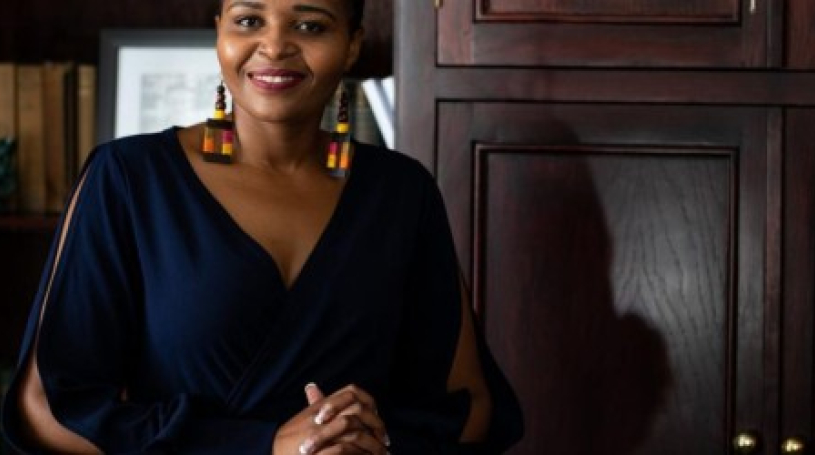
Op Ed: Mandisa Magwaxaza, SATSA Co-Vice Chairperson
Transformation has been a long walk since democracy… and now South Africa needs to push harder than ever for workplace transformation “or risk having the status quo prevail for the next 100 years”.
This is according to Employment and Labour Minister Thulas Nxesi, who was responding to employment equity figures in June, which revealed that more than 20 years since the Employment Equity Act became law, compliance remains low.
The tourism industry, however, is widely regarded as a driver of transformation, due to the depth of its supply chain, its low barriers to entry and its ability to employ in parts of the country where no other industry operates, such as peri-urban and rural areas. So why is transformation still taking so long?
The answer, I believe, lies in the fact that there is no guidebook for transformation. Many well-intentioned initiatives fail because they are regarded as a box-ticking exercise applied to existing social conditions.
We still need to accept that transformation is actually a mindset.
Sustainable transformation solutions
At SATSA, we are striving to encourage this “diversity thinking” through our transformation platform – the Access, Inclusivity and Diversity Committee (AID) Committee. One of the aims is to ensure access to information and resources for grassroots, township, rural tourism business, and as the Eastern Cape Chapter Chair, I am also able to do more to create opportunities for women and youth in tourism, as well as small businesses.
My passion for the industry is linked to my passion to ensure that everyone benefits and grows. It stems from an early personal experience that shaped who I am today.
A personal backstory
My first exposure to tourism was when fences went up between our home and adjacent lands that were intimately linked to my family’s way of life. When I say “my family”, I am referring to seven homesteads, made up of two to three generations sharing a main house where 10-15 family members cooked, ate and socialised.
My family was uprooted from this way of life in 2009. More farms around us were converted into game reserves, many of which did not create adequate accommodation for their staff. This had far-reaching effects for our close-knit family unit.
When farm labourers around us were being moved to make way for game reserves, they were set up in a shanty town nearby. The shanty town grabbed the attention of local politicians in Makhanda, the nearest municipality. Once the politicians noticed a collective of potential voters, they approached the farmers to persuade more of the workers to move to this newly created township, promising they would build houses, install running water systems and electricity. [Thirteen years later, the only promise kept is the electricity.]
Seasonal fruit-farm workers from townships around Gqeberha, Kariega and Makhanda also came to the township. Many stayed in the hope of finding permanent employment. The township grew exponentially into a disorganised informal settlement plagued by unemployment, alcoholism and drug abuse.
Looking back, the owners of the game reserves could have done more to preserve family structures on the farms. But it was cheaper for them to bus people in from a makeshift township that kept on growing, providing an endless supply of low-cost labour.
The massive disruption we experienced as a family became the catalyst for me to enter the industry and make a difference.
Encouraging the transformation journey
I started out at the Cape Grace and went on to the Steenberg Hotel gathering experience in hospitality and tourism. In 2020, I launched Molo Mhambi Relations, an African tourism communications agency where we employ our knowledge of the African market and tourism network to help our clients gain access to useful collaborations. The same year I joined SATSA as Eastern Cape Chapter Chairperson.
In April 2022 I started an initiative called Womxn Xplore, with a summit and travel expo held in September 2022 to encourage transformation in tourism – with a focus on women. Having identified a knowledge gap, the summit aims to close this with up-to-date information about the travel economy and value chain from some of the top women in tourism.
Additionally, it provides market access to those who have market-ready businesses. In August this year, we hosted 87 delegates and 14 exhibitors – all women-owned businesses. They are all in the process of getting their SATSA membership.
Time to ask some difficult questions
I believe the time has come for the industry to have some difficult conversations and ask some important questions such as: “Why are we supporting black business?” If we are welcoming diversity into our industry, how can we make it better and easier?
It’s also really important to understand the back story of tourism in this country, and to see the entire picture. Inclusion is not a tick-box exercise, it’s about access and finding ways and means so that everyone has a seat at the table.
Let’s have those difficult conversations. And let’s move forward together.
To echo Minister Nxesi, we cannot have another 100 years of the status quo.